


Introduction to Rue McClanahan
Rue McClanahan was a distinguished American actress, best known for her vibrant portrayal of the character Blanche Devereaux on the iconic television series “The Golden Girls.” Born on February 21, 1934, in Healdton, Oklahoma, McClanahan showed an early inclination toward the performing arts. She received a degree in theater from the University of Tulsa, which laid the groundwork for her successful career in television and stage acting.
Her journey in the entertainment industry began with a series of smaller roles, rue-mcclanahan-spouse largely in the theatre, before she gained prominence on television. In the 1970s, she appeared in notable shows including “Maude,” where her performance as Vivian became a significant part of her career. McClanahan’s blend of wit, charm, and warmth earned her acclaim, leading to multiple Emmy nominations and a win for her unforgettable role in “The Golden Girls.” Her portrayal of Blanche allowed her to connect with audiences on a personal level, and she was celebrated for her comedic timing and depth of character.
Beyond her professional successes, McClanahan had a rich personal life that included several romantic relationships and marriages. Her experiences with various partners brought both challenges and rewards, shaping her perspectives on love and loyalty. As we delve deeper into the life of Rue McClanahan, we will also explore her spouse and the significance of these relationships in her journey. Throughout her life, Rue McClanahan managed to blend her professional ambitions with personal commitments, making her a complex figure whose legacy extends beyond the screen.
Rue McClanahan’s Marital History
Rue McClanahan, renowned for her iconic role as Blanche Devereaux on the television series The Golden Girls, had a complex marital history that reflected her experiences in love and commitment. Throughout her life, she was married three times, and each relationship had its unique milestones and challenges.
Her first marriage was to Tom Bisland in 1958, a union that was marked by McClanahan’s dedication to her acting career, which often left them in different locations. Despite their initial happiness, the marriage ended in divorce in 1971. This period was pivotal for McClanahan as it led to her subsequent exploration of personal relationships and professional opportunities.
In 1976, she married Gus Trikonis, a director and actor. Their relationship was characterized by mutual respect and collaboration, yet it also faced the trials of a demanding showbiz life. The marriage lasted until 1981, after which they parted due to various factors, including the strain of their careers.
McClanahan’s most notable relationship came in the form of her third marriage to Mervin S. “Merv” Pomerantz in 1984. This partnership brought her some of the happiest moments of her life, complete with shared interests and affection. However, this marriage also faced hardships, leading to a divorce in 1991. While McClanahan had her share of ups and downs, she often reflected on these experiences as influential in shaping her professional and personal identities.
Rue McClanahan’s spouses played significant roles in her life, offering lessons about love and resilience. Each relationship enriched her understanding of companionship and ultimately informed her portrayal of complex characters on television. Her journey through marriage highlights how personal experiences can resonate in one’s professional endeavors, especially for someone as dedicated to her craft as McClanahan.
The Impact of Rue McClanahan’s Spouse on Her Career
Rue McClanahan, best known for her vibrant performances in television, particularly in the iconic series “The Golden Girls,” shared a significant part of her life and career with her spouses, each of whom played a unique role in shaping her professional journey. McClanahan’s first husband, Tom Browne, was a guiding force early in her career, offering support both emotionally and professionally. This relationship laid a foundation that allowed her to pursue her passion for acting, ultimately leading her to become a prominent figure in television.
Throughout her life, McClanahan’s spouses often provided the encouragement necessary for her to take bold choices in her career. For instance, her second husband, Norman Hartweg, inspired her to embrace more diverse roles which showcased her versatility as an actress. It was during this critical period that McClanahan began to attract attention for her performances that went beyond traditional theatrics, cementing her reputation as a skilled performer in both comedic and dramatic narratives.
Moreover, McClanahan’s marriage to Mervin L. Shiner, who was involved in theater as well, resulted in collaborative efforts that boosted her career. Their partnership enabled them to work on various projects together, leveraging their combined talents to create memorable performances. This collaboration not only fueled McClanahan’s love for acting but also reinforced her position in the entertainment industry through meaningful roles that resonated with audiences and critics alike.
In conclusion, the influence of Rue McClanahan’s spouse throughout her life and career cannot be understated. By receiving emotional and professional support from her partners, she was able to navigate the complexities of the entertainment industry, explore diverse roles, and participate in significant collaborations that defined her legacy.
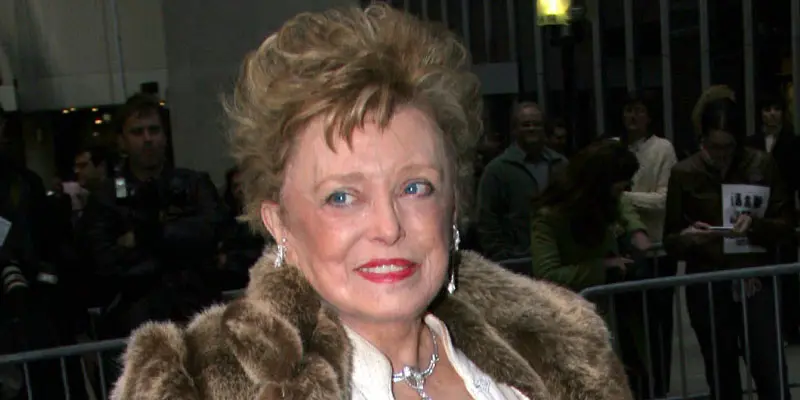
Legacy and Lessons from Rue McClanahan’s Relationships
rue-mcclanahan-spouse, celebrated for her role as the vivacious and witty Blanche Devereaux in the iconic television series “The Golden Girls,” left an indelible mark not only on popular culture but also in the realm of love and relationships. Her journey through marital experiences reflects a series of profound lessons and insights into companionship and emotional resilience. Rufus McClanahan, her first spouse, was just the beginning of her lessons in love, which deepened through her subsequent marriages and relationships.
Throughout her life, McClanahan showcased the complexities of love, sharing both joyous moments and the challenges that accompany long-term partnerships. Her experiences—marked by the ups and downs of three marriages—illustrate the significance of communication, understanding, and mutual respect in sustaining a healthy relationship. Rue was candid about her feelings, imparting wisdom that true love often requires effort and patience. Her philosophy emphasized that love is dynamic; it evolves and matures, necessitating adaptability from both partners.
Moreover, McClanahan’s relationships serve as a reminder of the importance of self-love and personal identity. In her narrative, she exhibited how individuals must maintain their sense of self and independence, even within committed relationships. She often spoke of balancing personal aspirations with shared goals, advocating for a partnership built on support and growth. This ethos resonates widely, encouraging readers to reflect upon their own relationships.
The legacy of Rue McClanahan’s spouse experiences extends beyond her individual story. It highlights universal themes of love, vulnerability, and companionship that can inspire others to navigate their personal journeys more thoughtfully. In essence, reflecting on Rue’s relationships compels us to appreciate love’s intricacies and the enduring lessons it imparts in our lives.
