


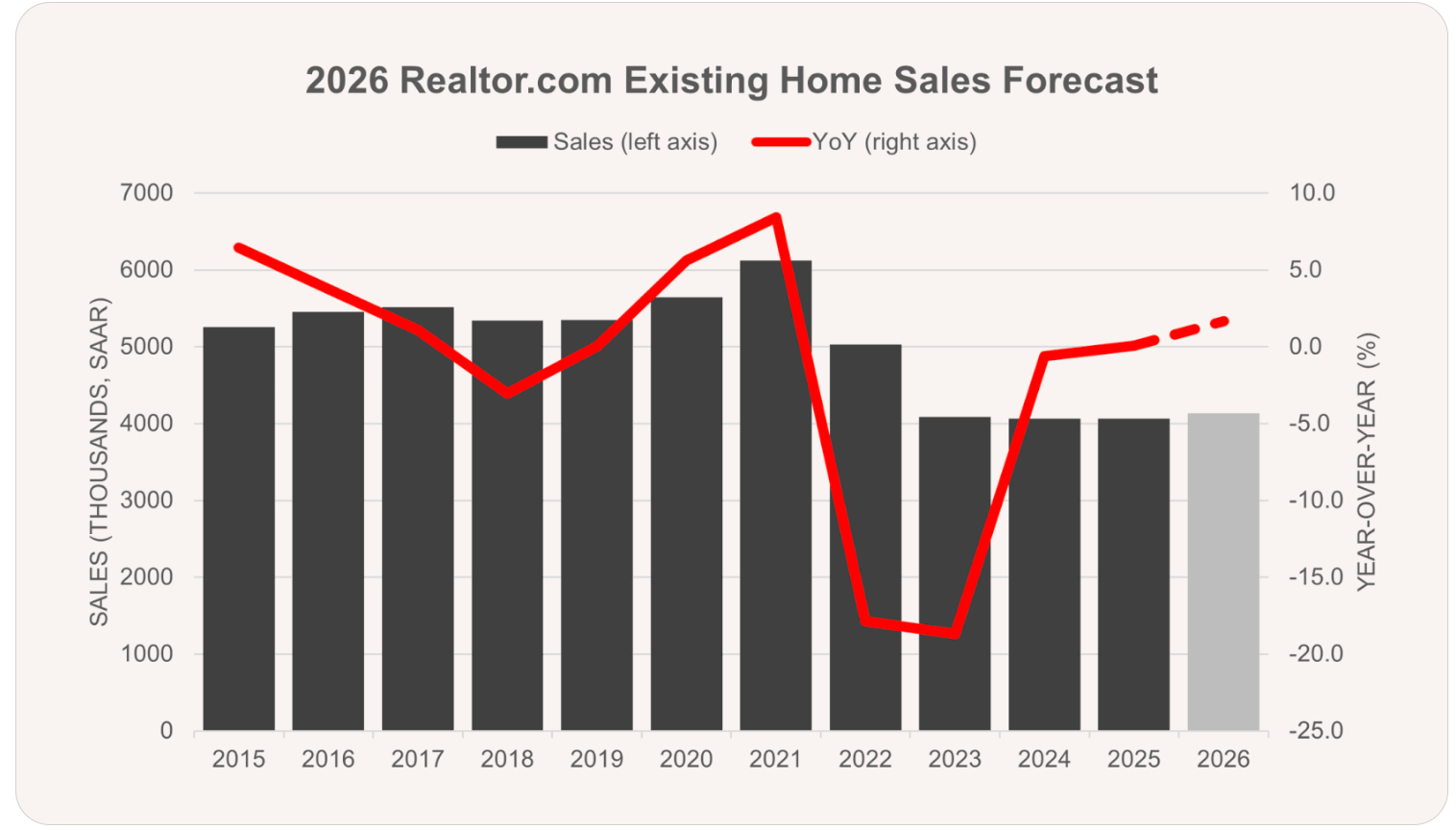
Understanding the Phoenix Housing Market Correction
The term ‘Phoenix housing market correction’ refers to a significant shift in real estate dynamics within the Phoenix area, marked by a decrease in home prices, slower sales, and an increase in inventory levels. Over the past year, the Phoenix housing market has exhibited signs of cooling, contrasting sharply with the intense seller’s market experienced in previous years. This correction can be attributed to various factors, including rising interest rates, economic fluctuations, and shifts in buyer sentiment.
In recent months,phoenix housing market correction there has been a notable uptick in the number of homes for sale. As the inventory increases, buyers are gaining more leverage, which alters the competitive landscape. Additionally, prospective homeowners are reassessing their purchasing power due to higher mortgage rates, consequently affecting demand. This situation has led to a stabilization of home prices, which had been on an upwards trajectory for several years, creating an environment where a market correction could take place.
Understanding the nuances of the Phoenix housing market correction is imperative for both real estate investors and homebuyers. An appreciation of the trends and patterns exhibited during such corrections can facilitate informed decision-making. For investors, recognizing when a market reduces in pace can offer lucrative opportunities to acquire undervalued properties. Homebuyers can benefit by taking advantage of potential price reductions and negotiating favorable purchase terms that were previously unattainable in a fast-paced market.
In summary, the Phoenix housing market correction signifies a crucial period of transformation, where buyers and sellers must navigate a changing environment. With the correct insights, stakeholders can adapt strategically to harness the opportunities presented by this correction.
Key Factors Influencing the Correction
The current climate of the Phoenix housing market correction is largely shaped by a multitude of interconnected factors. Understanding these elements is essential for interpreting the trends in real estate prices and the overall economy. One of the primary economic indicators affecting this correction is the rise in interest rates. As the Federal Reserve increases rates to combat inflation, the cost of borrowing rises, discouraging potential homebuyers and leading to a decrease in demand.phoenix housing market correction This change in demand subsequently impacts housing prices, often resulting in a correction in overvalued markets such as Phoenix.
Another critical factor is the shifting inventory levels within the market. In recent months, the Phoenix area has experienced an increase in housing inventory, which has further contributed to the correction. With more homes available for sale and a decrease in buyers due to higher mortgage rates, sellers are often forced to adjust their prices, prompting a natural correction in the marketplace.
Demographic shifts also play a significant role in the Phoenix housing market correction. As remote work becomes more prevalent, people are reassessing their living situations and, in many cases, opting to leave urban centers. This movement can lead to a temporary glut of homes in certain areas, further intensifying downward pressure on property values. Local policies, such as zoning regulations or property tax reforms, can also impact housing availability and affordability, contributing to fluctuations in demand.
In summary, the interplay of economic indicators, interest rates, inventory levels, demographic shifts, and local policies not only characterizes the current Phoenix housing market correction but also highlights the complexity of the real estate landscape. Each of these factors needs to be considered when analyzing market trends, as they collectively shape the future outlook of home values in the region.
Impact on Home Buyers and Sellers
The ongoing correction within the Phoenix housing market has significant implications for both home buyers and sellers, reshaping the landscape of real estate transactions. As the market adjusts, buyer sentiment is becoming increasingly cautious. Many potential buyers, once eager to purchase properties at rising prices, are now reassessing their strategies in light of fluctuating home values and interest rates. This revised outlook is leading buyers to adopt a more calculated approach, often waiting for the right moment to invest, which could prolong the home-buying process.
For sellers, the current market correction indicates a shift in leverage toward buyers. Previously, sellers enjoyed heightened negotiating power due to increased buyer demand, often securing offers above asking prices. However, as the Phoenix housing market correction takes root, this dynamic is reversing, resulting in a more competitive environment for sellers. Properties that once attracted multiple offers are now facing extended time on the market and potentially lower sale prices. Sellers may need to reconsider their pricing strategies and may find themselves compelled to offer concessions to entice potential buyers.
Real-world examples illustrate this transition; homes that were listed with aggressive pricing strategies last year are now being forced to adjust their prices by substantial margins to find interested purchasers. Expert opinions noted in industry reports indicate that this correction may foster a healthier market overall, emphasizing fair valuations over unsustainable growth. For investors, this period presents both opportunities and challenges; it could be an advantageous time to acquire properties at lower prices, provided they conduct rigorous due diligence to ascertain long-term value as the market stabilizes.
Understanding these dynamics is crucial for both buyers and sellers navigating the evolving Phoenix housing market. Engaging with real estate professionals can further enhance insights and strategies during this correction phase.
Future Predictions and Market Recovery
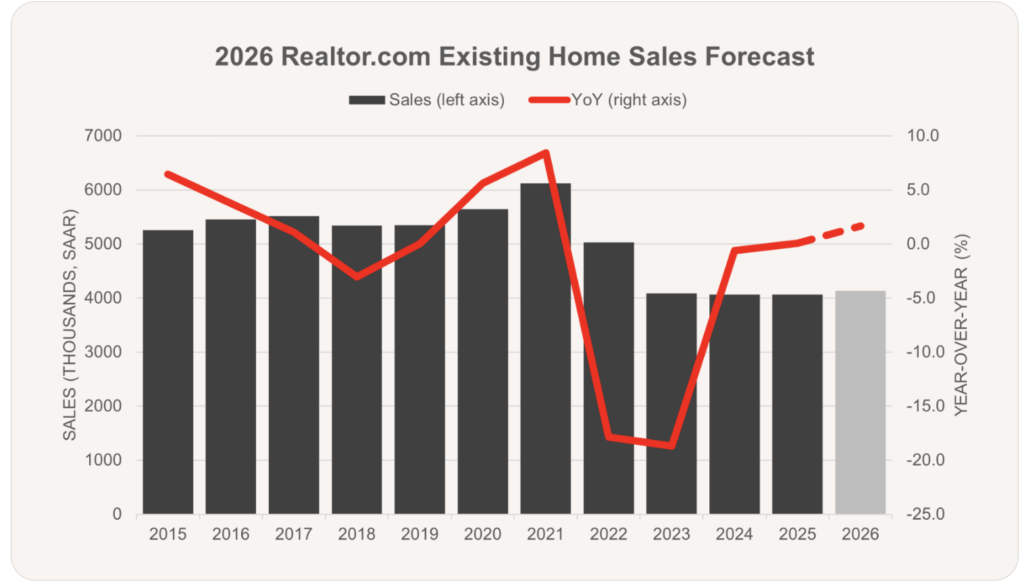
As the Phoenix housing market correction unfolds, experts are observing several key trends that may indicate the trajectory of recovery. In the short term, the market is likely to experience stabilization as prices adjust to the new economic realities. Many analysts predict modest growth in home values as the initial shock of the correction fades, potentially revitalizing buyer interest. A more balanced market could emerge where supply and demand reach equilibrium, easing the intense competition that characterized the previous seller’s market.
In the long term, several factors may influence the recovery of the Phoenix housing market. Economic indicators such as job growth, wage increases, and population trends will play crucial roles. In particular, if employment levels improve and new businesses continue to relocate to the Phoenix area, the demand for housing may increase, aiding recovery. Furthermore, mortgage interest rates are projected to stabilize, making homeownership more accessible for potential buyers, which could lead to a healthier housing environment.
It is also important for both buyers and sellers to adopt strategies that align with the evolving market landscape. Buyers may benefit from being patient and waiting for price points to stabilize before making significant investments. Conversely, sellers should consider pricing their homes competitively to attract buyers in a market adjusting from the correction. Keeping abreast of broader economic recovery trends is vitally important as these elements are interlinked and can significantly impact the dynamics of the Phoenix housing market correction.
Overall, while challenges remain, the outlook for the Phoenix housing market suggests a gradual recovery. With strategic planning and awareness of market conditions, participants in the real estate market can navigate the upcoming changes effectively.
