


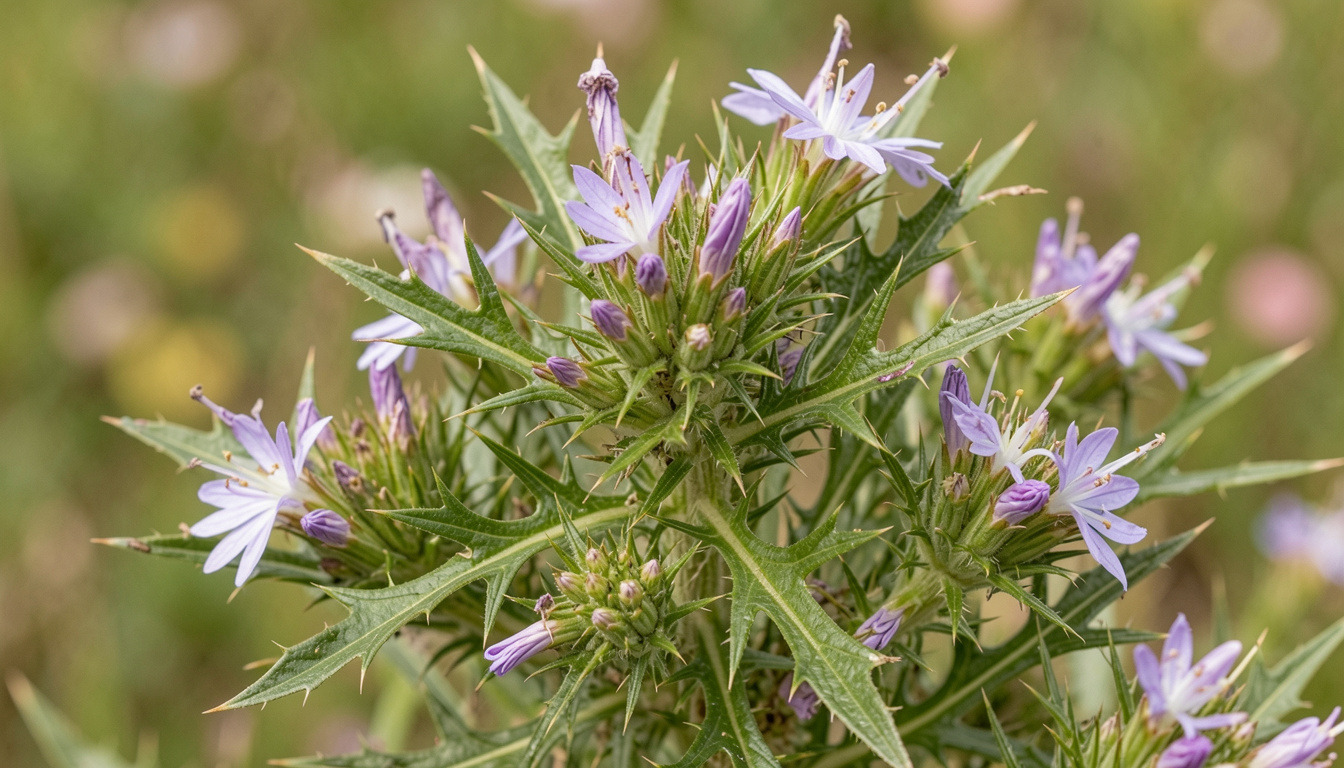
Have you ever smelled something that reminds you of maple syrup and curry at the same time? That is the wonderful scent of foenegriek. In many parts of the world, people call these tiny, golden-brown seeds a “superfood” because they do so much more than just make food taste good. Foenegriek has been used for thousands of years in places like India, Egypt, and the Mediterranean. It is a plant that grows white flowers and small pods filled with seeds. Whether you use the green leaves in a salad or grind the seeds into a powder, this herb is a true powerhouse in the kitchen and the medicine cabinet.
I remember the first time I tried cooking with foenegriek. I was making a simple lentil soup and decided to toss in a few seeds. At first, the smell was quite strong, almost like burnt sugar. But as it simmered, the whole house began to smell warm and earthy. It turned a basic meal into something that tasted like it came from a professional restaurant. That is the magic of foenegriek—it adds a layer of flavor that you just cannot get from salt or pepper alone. It is easy to find, fun to use, and packed with history.
Detailed Overview of Foenegriek
| Feature | Description |
| Common Name | Fenugreek / Foenegriek |
| Scientific Name | Trigonella foenum-graecum |
| Appearance | Small, angular, yellowish-brown seeds |
| Flavor Profile | Sweet, nutty, and slightly bitter (like maple syrup) |
| Main Uses | Cooking (spices), Herbal tea, Traditional medicine |
| Nutrients | Fiber, Protein, Iron, Magnesium, and Manganese |
How Does Foenegriek Taste?
Describing the taste of foenegriek is a bit of a challenge because it changes depending on how you use it. If you bite into a raw seed, it will taste very bitter—not something you want to do often! However, when you toast the seeds or cook them in oil, the bitterness disappears. In its place, you get a sweet, nutty flavor that many people compare to maple syrup. This is because foenegriek contains a special compound that is also found in real maple syrup. It provides a “hidden” sweetness to savory dishes like curries and stews.
When I talk to friends about using foenegriek in their cooking, I always tell them to start small. Because it is so potent, a little bit goes a long way. If you are baking bread, adding a teaspoon of ground foenegriek can give the crust a beautiful, toasted aroma. It is also a secret ingredient in many spice blends you might already have in your pantry, such as curry powder. Learning to balance its slight bitterness with other flavors like garlic and cumin is a great way to improve your skills as a home cook.
The Amazing Health Benefits of This Seed
Many people use foenegriek because they believe it helps their bodies stay healthy. One of the most famous benefits is its ability to help manage blood sugar levels. Scientists have found that the fiber in these seeds can slow down how fast your body absorbs sugar and carbs. This is very helpful for people who need to keep their energy steady throughout the day. Additionally, foenegriek is often used by new mothers to help produce more milk for their babies. It has been a trusted natural remedy for generations across many different cultures.
Beyond blood sugar, foenegriek is also great for digestion. If you have an upset stomach, drinking a warm cup of tea made from these seeds can feel very soothing. It acts like a gentle helper for your gut, making sure things move along smoothly. I have noticed that adding a bit of the powdered version to my morning smoothie helps me feel full for longer. This is likely due to the high fiber content, which tells your brain that you are satisfied. It is a simple, natural way to support your daily wellness goals without needing fancy supplements.
How to Use Foenegriek in Your Daily Meals
Using foenegriek in your kitchen is easier than you might think. You can find it in three main forms: whole seeds, powder, or dried leaves (often called Kasuri Methi). If you have the whole seeds, try “blooming” them in a little bit of butter or oil at the start of your recipe. This releases the essential oils and makes the flavor much smoother. If you are making a dry rub for chicken or fish, the powdered version works best because it mixes easily with other spices like paprika or turmeric.
One of my favorite ways to enjoy foenegriek is by making a simple herbal tea. Just soak a teaspoon of seeds in hot water for about ten minutes, then strain them out. You can add a little bit of honey to balance the flavor. It is a very grounding drink to have before bed or after a large dinner. For those who enjoy gardening, you can even grow your own foenegriek in a small pot on your windowsill. The green leaves are delicious when chopped up and added to a fresh garden salad or stirred into a bowl of creamy yogurt.
Is Foenegriek Good for Your Skin and Hair?
You might be surprised to learn that foenegriek is a popular ingredient in beauty routines, too. Many people create a paste using ground seeds and water to apply to their hair. They say it makes their hair look shiny, strong, and healthy. Because the seeds have natural oils, they can help moisturize a dry scalp and reduce dandruff. It is a much cheaper alternative to expensive salon treatments, and it is completely natural. Just be prepared—your hair might smell a little bit like maple syrup for a day or two!
For skin care, foenegriek is often used to help with redness or small breakouts. The seeds have anti-inflammatory properties, which means they can help calm down irritated skin. I once tried a face mask made from soaked and blended foenegriek seeds mixed with a little bit of aloe vera. It felt very cool and refreshing on my skin. While it is always important to test a small patch of skin first, many people swear by this ancient beauty secret for a glowing complexion. It just goes to show that nature provides so many tools for us to look and feel our best.
Where to Buy and How to Store It
Finding foenegriek is usually quite easy. You can find it in the spice aisle of most large grocery stores, or at international food markets. If you buy the whole seeds, they will stay fresh for a very long time—up to two years if you keep them in a cool, dark place. Ground foenegriek loses its flavor a bit faster, so it is best to buy it in smaller amounts or grind your own seeds as you need them. Always keep your spices in an airtight container to protect them from moisture and heat.
I always recommend checking the “bulk” section of your local health food store. This allows you to buy just a small amount of foenegriek to see if you like the taste before committing to a big jar. When you get it home, label the jar with the date so you know how fresh it is. Since it is an affordable spice, it is a low-risk way to experiment with new flavors. Whether you are a beginner or an expert in the kitchen, having a jar of these golden seeds ready to go is always a smart idea for your spice rack.
Common Myths About Foenegriek
There are many stories about foenegriek, and not all of them are entirely true. Some people think that eating it will make you lose weight instantly. While the fiber in foenegriek can help you feel full, it isn’t a “magic” weight loss pill. It works best when you eat a balanced diet and stay active. Another myth is that you can use as much as you want without changing the flavor of your food. As we discussed, too much can make a dish very bitter, so balance is key to a delicious meal.
Another common misconception is that foenegriek is only for Indian cooking. While it is a staple in many Indian dishes, it is also used in Turkish, Persian, and Egyptian recipes. Even some European breads use it for extra flavor! It is a global spice that belongs in any kitchen. By understanding what is true and what is just a story, you can use foenegriek more effectively. It is a supportive herb that works with your body and your cooking, rather than a miracle cure-all, and that is perfectly okay.
Safety and Side Effects to Keep in Mind
While foenegriek is safe for most people when used in normal food amounts, there are a few things to watch out for. Because it can lower blood sugar, people who are already taking medicine for diabetes should talk to their doctor before taking it as a supplement. It is also important for pregnant women to be careful, as very large amounts might affect their pregnancy. For the average person adding it to a curry or a cup of tea, it is generally considered very safe and healthy to enjoy.
Some people might notice a funny side effect: their sweat or urine might start to smell like maple syrup! This is harmless and happens because of that same sweet-smelling compound we mentioned earlier. If you notice this, don’t worry—it just means your body is processing the foenegriek. Like any new food, start with a small amount to see how your body reacts. Most people find that they feel great when including this herb in their lives. It is all about listening to your body and enjoying the natural gifts that plants provide.
Conclusion: Why You Should Try Foenegriek Today
In conclusion, foenegriek is a wonderful, versatile herb that offers something for everyone. Whether you want to improve the flavor of your favorite soup, support your digestion, or even try a new natural hair mask, these tiny seeds are up to the task. It is a bridge between ancient tradition and modern wellness. By adding a little bit of foenegriek to your routine, you are joining millions of people throughout history who have valued this plant for its unique taste and helpful properties.
So, the next time you are at the store, keep an eye out for that little jar of golden seeds. Give it a sniff, try a tiny bit in your next meal, and see how it makes you feel. You might just find that foenegriek becomes your new favorite “secret ingredient.” Don’t be afraid to experiment and have fun with it! After all, the best part of cooking and health is discovering new things that work for you. Give it a try and enjoy the rich, sweet aroma that only this special herb can provide
Frequently Asked Questions (FAQs)
1. Can I eat foenegriek leaves instead of seeds?
Yes! The leaves, known as methi, are very popular in cooking. They have a milder, more herbal taste compared to the seeds and are great in stir-fries or flatbreads.
2. Is foenegriek the same as fennel?
No, they are different! While the names sound a bit similar, fennel tastes like licorice, while foenegriek tastes more like maple syrup and nuts.
3. How do I get rid of the bitterness in the seeds?
The best way is to lightly toast the seeds in a dry pan or fry them in oil for a minute before adding other ingredients. This brings out the sweetness.
4. Can children eat food with foenegriek?
Yes, in normal cooking amounts, it is perfectly fine for children. Many kids actually enjoy the slight “maple” aroma it gives to food.
5. Does it really help with hair growth?
Many cultures have used it for this purpose for centuries. While it may not make hair grow overnight, its nutrients can certainly help keep the scalp healthy.
6. Where can I find foenegriek powder?
You can find it in the spice section of most supermarkets or online. You can also make your own by grinding whole seeds in a coffee or spice grinder.
